
How to Build Better B2B Sales Teams
In today’s market, the hard-sell approach is outdated. Buyers are navigating a crowded B2B SaaS market. While Big Data, AI, and predictive analytics are essential for sales, the often-overlooked elements of emotional intelligence (EI) and neuroscience become even more crucial to sales success. In fact, McKinsey predicts a surge in demand for skills like technological know-how, social and emotional intelligence, and advanced cognitive abilities by 2030.
As buyers value expertise and genuine relationships, sales success will hinge on the ability to forge strong connections, combining product knowledge with a deep understanding of customer needs and preferences. In what follows, we explore how understanding EI and neuroscience can enhance client relationships.
 Key Takeaways
- Emotional Intelligence: Enhances SaaS sales by fostering deeper, more meaningful customer connections.
- Neuroscience Insights: Understand subconscious buying motivations; align sales strategies with customers’ emotional and rational decision-making.
- Behavioral Profiling Tools: Enable personalized communication, allowing sales outreach to be tailored to individual clients or specific personas.
- Gong’s Successful Model: Demonstrates an excellent example of how EI and neuroscience merge so sales can improve client engagement and create a meaningful company culture.
- Brain Chemistry Knowledge: Understanding the brain-based mechanisms of trust and reward can inform how sales and marketing align to build better customer relationships.
 Take Note of Your Team’s Emotional Intelligence
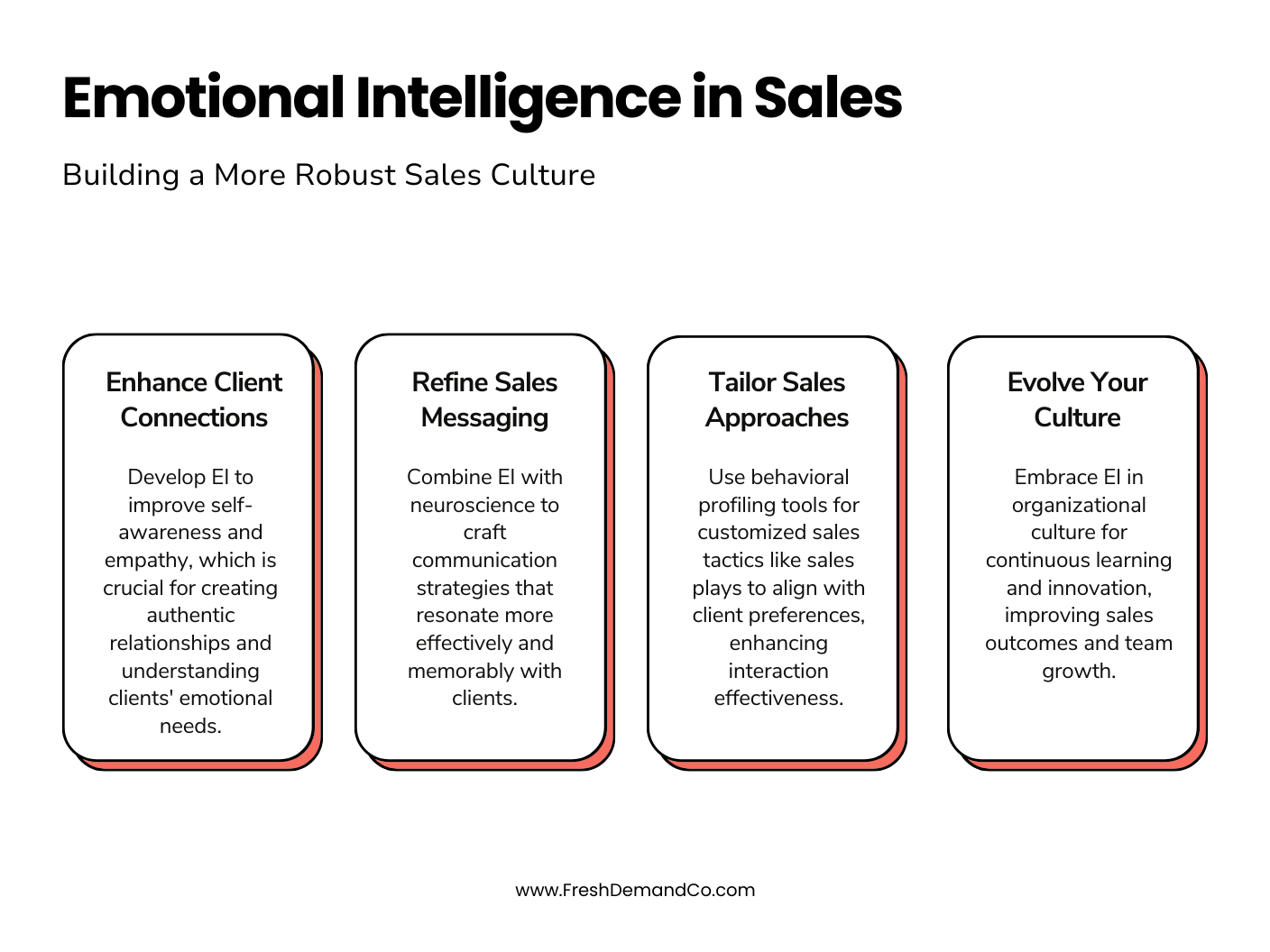
Emotional intelligence is the ability to understand, manage, and express emotions effectively and to navigate interpersonal relationships with empathy and care. EI is crucial for creating strong, real connections with clients in sales. Teams with high EI demonstrate:
- Improved Self-Awareness and Emotional Control: Sales professionals with high emotional intelligence (EI) have a keen understanding and management of their emotions, leading to clearer and more focused client interactions.
- Deep Empathy and Authentic Connections: EI allows salespeople to empathize with their clients, forming genuine and significant relationships built on trust and loyalty.
- Insightful Understanding of Clients: Salespeople with strong EI are adept at noticing and interpreting subtle signals from clients. This skill enables them to proactively address concerns and tailor solutions that meet emotional and practical needs.
- Enhanced Communication: Emotional intelligence also plays a crucial role in refining B2B sales communications, ensuring messages are compelling, memorable, clear, and direct.
EI comes to life in selling strategies and how tools are used to improve one’s sales approach.
Enhancing SaaS Sales with Emotional Intelligence
Generic sales tactics fall short in today’s era of data and personalization. For SaaS sales teams to excel, a thoughtful approach is essential, one that adapts to the diverse personalities within the buying team, from the creative marketing leader to the meticulous tech executive.
The key lies in using customer data platforms and behavioral profiling tools. These resources enable sales professionals to gain insights into client preferences, communication styles, and decision-making processes. Such knowledge allows for crafting sales messages and strategies that align with buyers’ expectations and the company’s ethos, dramatically enhancing the likelihood of successful outcomes.
Moreover, integrating EI into the sales process facilitates a more nuanced understanding of client needs and concerns. It empowers sales professionals to anticipate objections, tailor communication to resonate emotionally and build trust through genuine empathy and understanding. This approach transforms the sales conversation from a transactional exchange into a consultative dialogue. It positions the salesperson as a trusted advisor rather than just another vendor.
Additionally, applying EI in SaaS sales enables teams to navigate the complexities of group decision-making dynamics. By understanding the emotional undercurrents within the buying team, salespeople can effectively address each member’s diverse concerns and motivations.
Transforming Sales Plays through EI Insights
A personalized approach is especially relevant for building sales plays. Sales plays are meticulously crafted scenarios and outreach techniques employed by sales teams. They are designed to deliver buyers more consistent and personalized experiences, ensuring each interaction is relevant and impactful.
When mixed with EI-driven approaches, sales can better understand client reactions, anticipate requirements, and offer multi-faceted solutions that fulfill various buyer requirements. The goal is to resonate with buyers’ aspirations and practical needs.
Highspot’s 2023 State of Sales Enablement Report underscores the tangible benefits of this approach, revealing that companies adept in sales plays report:
- Sales Process Delays: 38% reduction in companies skilled in sales plays.
- Deal Closure: 3-percentage-point lower lost deals due to buyer indecision.
- Sales Scenario Management: 15% improvement in handling nuanced sales situations.
- Win Rates: 3-percentage-point increase in average win rates.
In addition, sales managers who consistently provide data-driven training and coaching drive a 14-point increase in win rates.
This data suggests that emotional intelligence in sales is integral to guiding complex buying decisions and can improve sales outcomes.
A commitment to EI also means championing empathetic leadership and continuous learning and encouraging resilience during change. This is evident in the market-leading success garnered by Gong in both their internal and external application of neuroscience-based principles and EI-aligned tech features.
 Gong’s Innovative Approach: Integrating EI with Data Intelligence
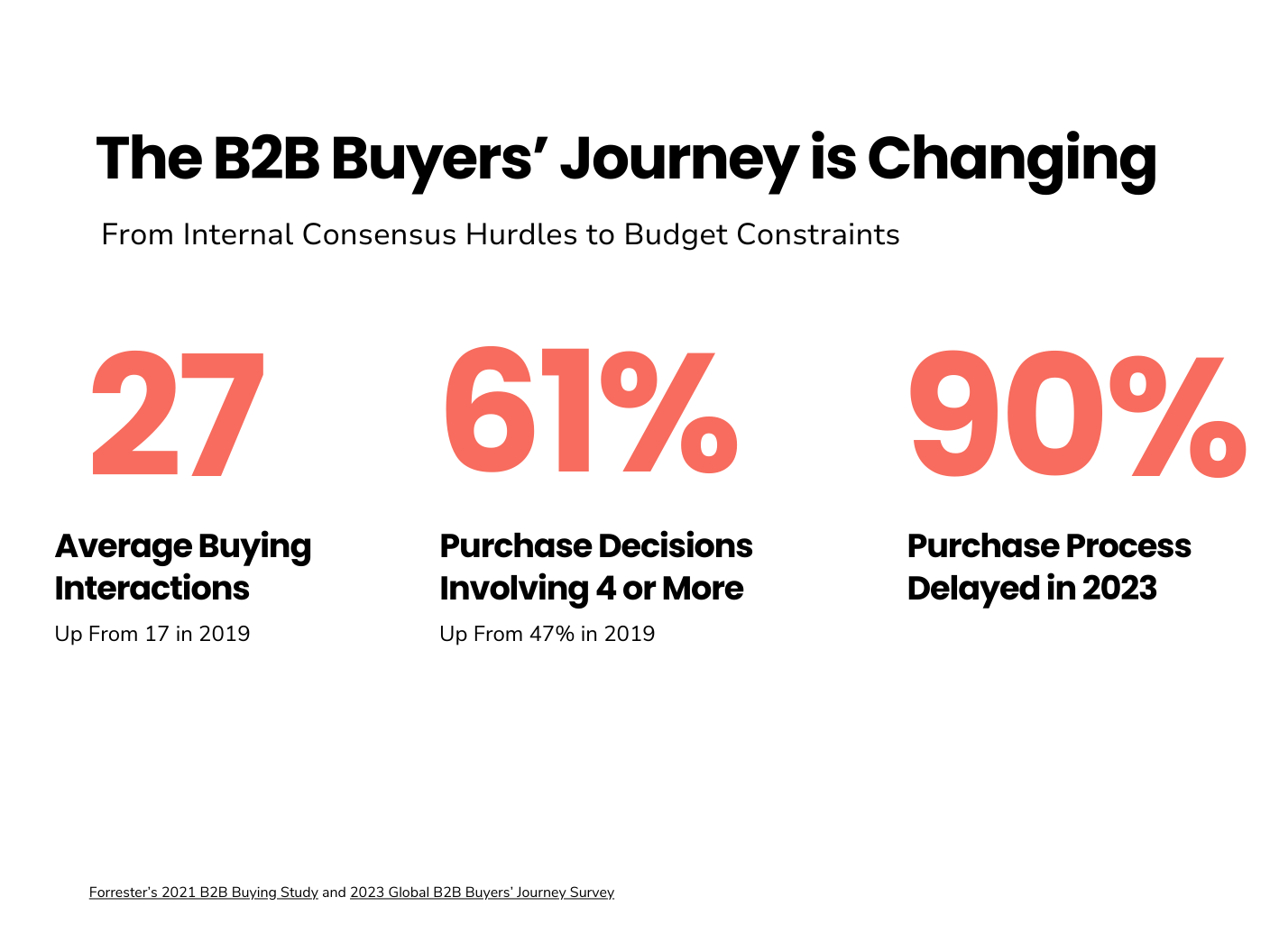
Forrester’s global buyer survey notes a surge in the frequency of interactions and the diversity of stakeholders involved in each transaction. This trend is starkly illustrated by the 2023 findings, where almost 90% of business buyers globally faced delays in their purchasing decisions.
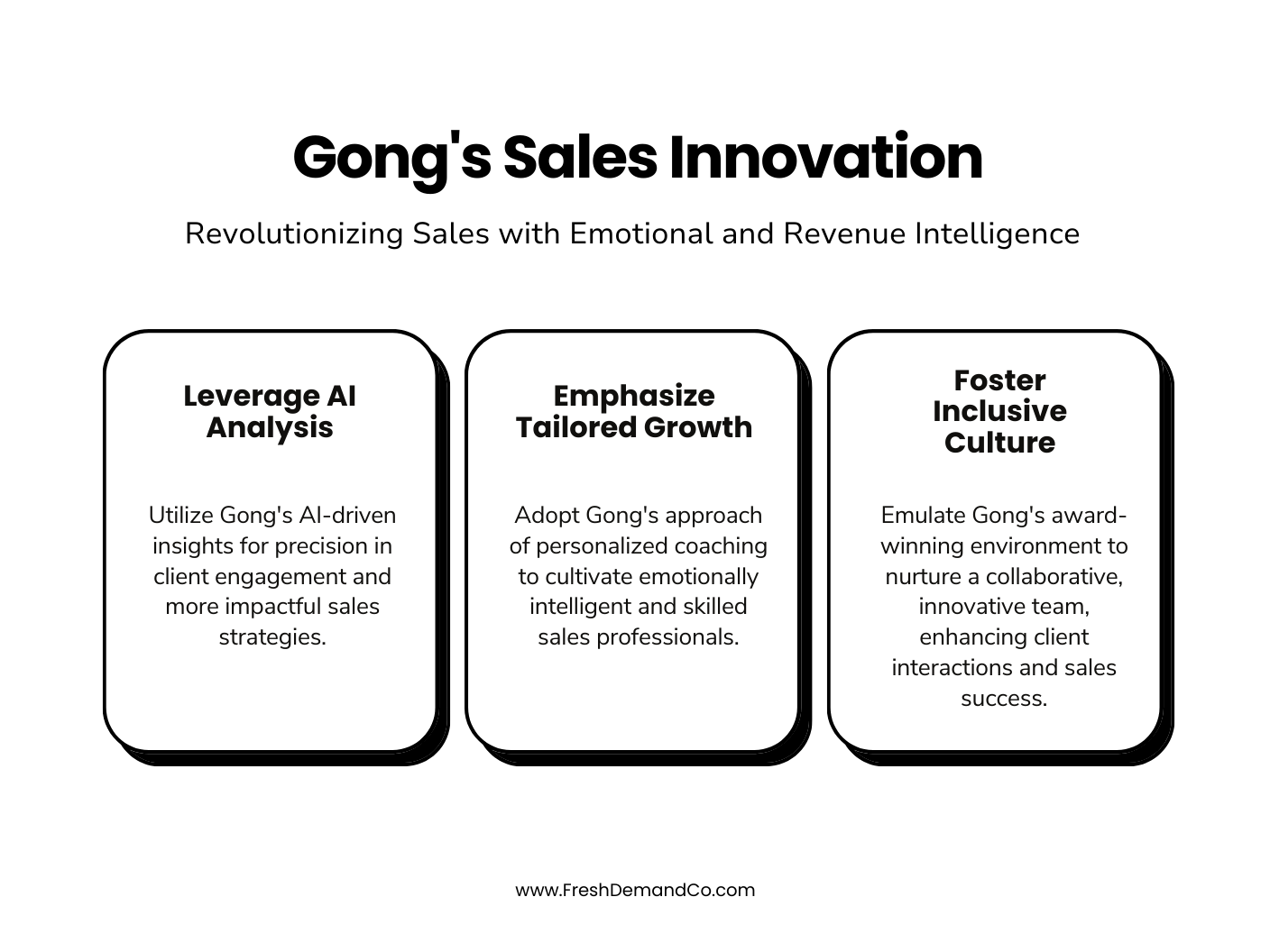
Gong’s revenue intelligence platform offers an innovative approach for sales teams. We believe it is an excellent example of how to merge key concepts from emotional intelligence (EI) and neuroscience into a SaaS technology platform. While Gong is not explicitly branded as an EI tool, it’s evident that Gong understands these principles in analyzing and applying customer interaction data. Gong helps sales teams use precise insights, enhancing their ability to understand and respond to buyer motivations and needs. The platform’s sophisticated algorithm can also track customer sentiment across engagements and identify potential risks based on previous buyer decisions. With these insights, sales can adjust how they sell to improve performance.
 How Gong Helps B2B Sales Teams Navigate the Complex Buying Process
Gong Assist takes this further by using AI to pinpoint pivotal conversational moments, thereby improving follow-up strategies. This functionality is deeply rooted in EI, as it aids sales reps in recognizing and acting on emotional cues within interactions.
Gong is about making complex client interactions insightful and effective for sales teams. Automating routine tasks like drafting emails and setting reminders allows sales professionals to devote more attention to cultivating authentic relationships. Its coaching management tool helps sales managers provide individuals with actionable feedback to improve their sales approach. According to Forrester, Gong’s clients report improvements in overall performance and accelerated sales ramp-up time.
Gong’s Award-Winning Culture Exemplifies EI
Gong’s commitment to emotional intelligence is evident in its award-winning culture, which prioritizes diversity, empowerment, and excellence. As a result, Gong earned a place in the 2023 Fortune Best Workplaces in Technology for being a place where employees feel genuinely valued and are treated equally. Their inclusive ethos and dedication to excellence create a vibrant, collaborative culture. We believe it’s also a fundamental reason the company has created such innovative sales technology.
 Trust Dynamics in B2B Sales
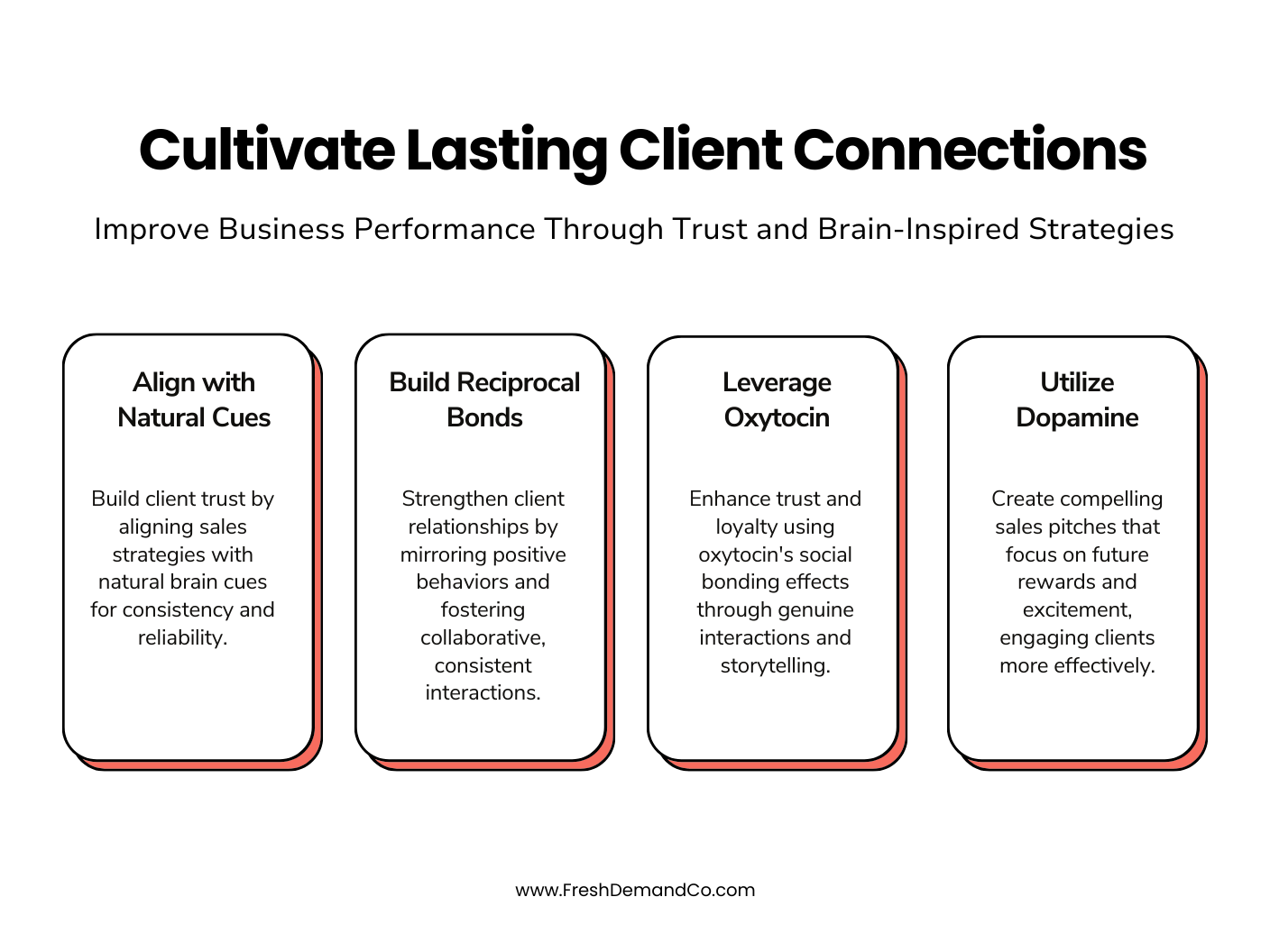
Understanding the neuroscience behind trust can greatly enhance relationship-building in sales. Sales teams can build trust by aligning with the brain’s natural cues for consistency, reliability, and connection. One strategic approach is the deliberate use of reciprocal bonding, where establishing mutual agreement and demonstrating support lead to stronger connections. For instance, strategically incorporating client feedback into product development or sales presentations can bolster this trust-building process. Additionally, sales professionals can adopt techniques such as reflective listening and matching the client’s communication style, which effectively mirror positive client behaviors and further solidify trust.
Tapping Into Social Connections for Sales Success
Leveraging the power of oxytocin – the brain’s natural social bonding agent – can be improve sales tactics. This hormone plays a crucial role in forging trust in client relationships. It’s about creating genuine connections through empathetic interactions and relatable narratives, tapping into our innate need for social bonds.
Sales teams can effectively utilize this approach by paying attention to non-verbal communication cues. For example, maintaining eye contact during conversations conveys sincerity and attention, while open body language signals approachability and understanding. Storytelling is another powerful tool – a well-told story that relates to a client’s experiences or challenges can create a strong emotional bond. This could be sharing success stories of how your product helped similar clients overcome challenges or personal anecdotes that mirror the client’s situation.
Moreover, sales professionals can deepen these connections by actively listening and responding in ways that show they truly understand and empathize with the client’s needs and concerns. This might involve recalling specific details from previous conversations, showing that they value and remember the client’s unique circumstances.
Implementing these techniques can foster an environment where trust and loyalty are naturally nurtured.
The Power of Anticipation in Sales
Utilizing dopamine, the brain’s neurotransmitter associated with reward and anticipation can revolutionize sales strategies. This chemical is critical in shifting a routine sales pitch into a captivating future vision. For sales professionals, the focus should be on the product’s functionality and potential to enrich the client’s future. This creates a sense of excitement and anticipation, which is key to engaging clients and enhancing the chances of successful sales.
For instance, a salesperson might use vivid storytelling to paint a picture of how their SaaS product can streamline a client’s business operations in the future, saving time and increasing efficiency. This highlights the product’s features and connects them to an optimistic future scenario that the client can look forward to.
Another example could be demonstrating how your roadmap will evolve in the coming months and years, offering new features or integrations to benefit the client further. This shows the product’s current value and builds anticipation for its future development.
Sales professionals can also create anticipation by offering exclusive previews or early access to new features or products. This strategy taps into the client’s desire to be ahead of the curve, leveraging dopamine to create a sense of exclusivity and forward-thinking partnership.
By focusing on these future-oriented narratives and promises, sales professionals can effectively harness the power of dopamine to create a heightened sense of anticipation and engagement in their clients, leading to more compelling and successful sales interactions.
Building Lasting Trust with Science
Trust isn’t just a feeling; it’s a process in the brain where reliability meets reward. By consistently providing positive experiences, salespeople can train their clients’ brains to expect good things from them. This is where the caudate nucleus comes in, acting as a trust checkpoint in the brain. Each positive interaction is like a deposit in a trust account, setting the stage for a long-term business relationship.
 Neuroscience: Elevating B2B SaaS Sales Strategies
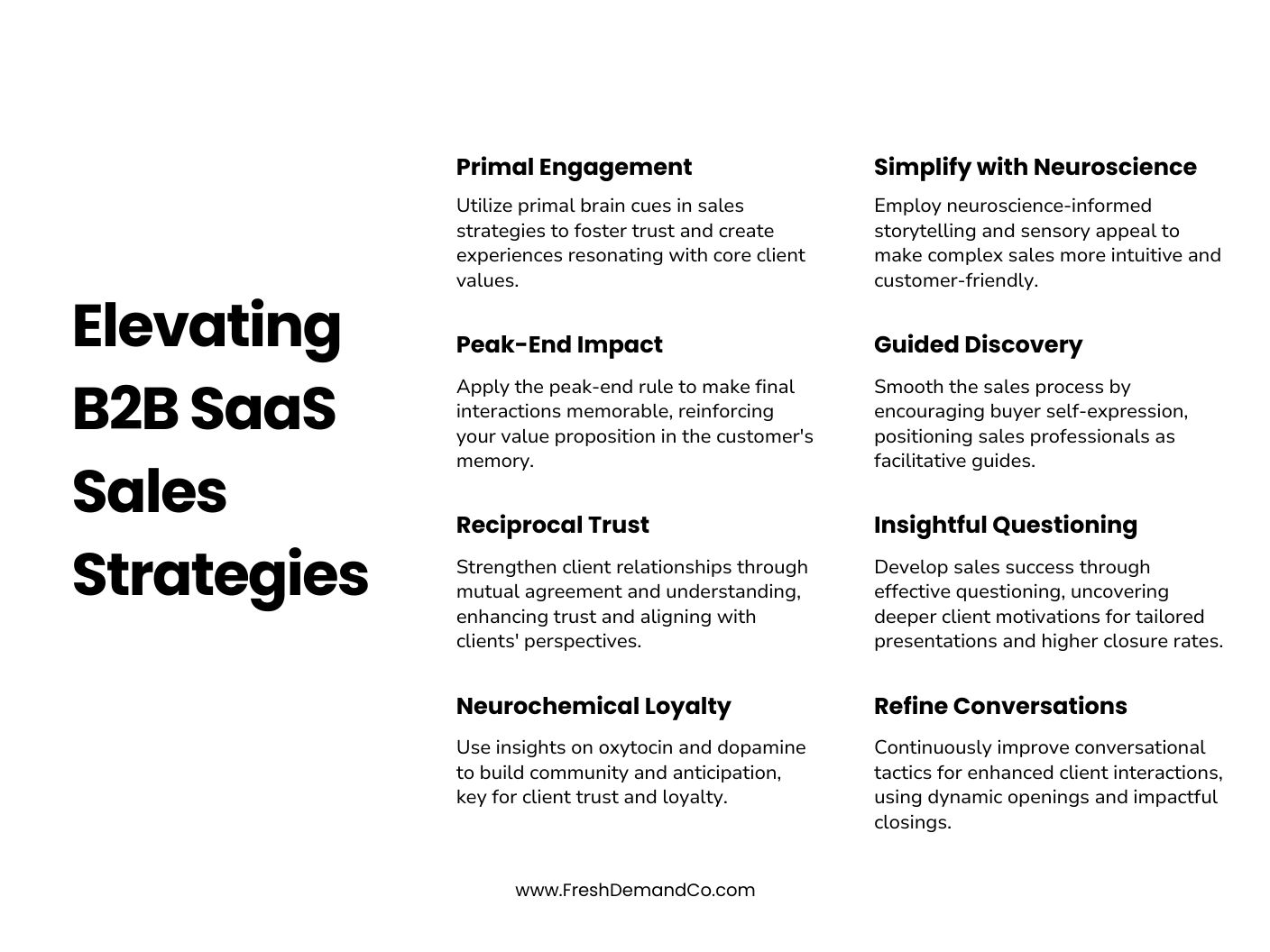
Neuroscience has dramatically shifted our understanding of decision-making in sales, revealing that emotions drive nearly 95% of buying decisions, often subconsciously. For B2B SaaS sales, understanding emotions necessitates a deeper focus on the psychological aspects of client engagement. Here are some tips on how the brain works and how to use this knowledge in sales.
Unlock Client Trust with Primal Brain Engagement
The primal brain’s influence on decision-making is pivotal. Sales strategies that engage emotion and analysis foster trust and create memorable experiences. This helps sales resonate with the client’s core needs and values.
Create Lasting Impressions with Strategic Interaction Endings
The peak-end rule, a cognitive bias, suggests people vividly remember the climax and end of an experience. Sales professionals can use this to make the final interaction memorable, solidifying the value proposition in a customer’s mind.
Harness the Power of Reciprocal Bonding
Demonstrating mutual agreement and understanding deepens trust, enhancing the effectiveness of your sales approach and aligning closely with clients’ perspectives and needs.
Foster Deeper Client Loyalty with Neurochemical Insights
Understanding oxytocin and dopamine guides strategies to build community and anticipation in sales. These neurochemicals are vital for trust and reward activation.
Simplify Complex Sales with Neuroscience-Informed Techniques
Use storytelling and sensory engagement to simplify complex SaaS offerings, aligning with the customer’s inclination for intuitive solutions.
Smooth the Buyer’s Path with Guided Self-Discovery
Encouraging buyers to express their needs helps sales professionals act as trusted guides. This approach leads to easier transactions, greater satisfaction, and successful outcomes.
Elevate Sales Success with Insightful Questioning
Effective questioning uncovers deeper client motivations, paving the way for tailored presentations. This leads to a higher deal-closure probability.
Refine Client Conversations for Stronger Connections
Continual improvement in conversational tactics enhances client interactions. Dynamic openings and compelling closings boost sales outcomes.
Empower Sales Teams with Neuroscience-Backed Training
Teach your team neuroscience principles to understand and respond to clients’ emotions. Train them to mirror behaviors and negotiate with emotional intelligence for win-win agreements.
Master Emotional Regulation in High-Stakes Sales
Sales professionals can elevate their performance by mastering the amygdala’s role in emotional responses, especially under stress. Implementing techniques like deep breathing and recognizing emotional triggers helps you maintain composure in critical negotiations. This regulation of emotional responses fosters empathetic client engagement and informed decision-making in high-pressure scenarios.
Navigating the competitive B2B SaaS market calls for more than just technological know-how. It demands a keen understanding of emotional intelligence (EI) and neuroscience. These often-overlooked aspects are essential in building genuine relationships, understanding client needs, and making sales interactions more impactful.
Today’s successful sales approach goes beyond expertise; it’s about making meaningful connections and aligning solutions with clients’ emotional and practical needs. This approach, grounded in EI and neuroscience, is not just a trend but a necessity as indicated by McKinsey’s forecast of the rising demand for such skills.
The integration of EI and neuroscience into sales strategies – from employing behavioral profiling tools to understanding the neuroscience of trust and reward, and leveraging the power of oxytocin and dopamine – transforms the sales process. It elevates the sales experience from mere transactions to engaging, memorable interactions that resonate with clients on a deeper level.
In essence, the future of successful SaaS sales lies in blending advanced technology with a profound understanding of human psychology. This combination promises enhanced sales performance and the cultivation of long-term client relationships, pivotal for sustained success in the ever-evolving SaaS landscape.
FAQs
How can a sales team measure its collective emotional intelligence (EI)?
Implement assessments designed to evaluate emotional intelligence competencies within the team. Use tools like the Emotional Quotient Inventory (EQ-i) or the Mayer-Salovey-Caruso Emotional Intelligence Test (MSCEIT) to baseline the team’s EI strengths and areas for improvement. Additionally, feedback mechanisms within sales teams, such as peer reviews and customer feedback surveys, can provide insights into the EI capabilities of sales professionals.
How can sales teams leverage emotional intelligence to overcome objections in the sales process?
Sales teams can use emotional intelligence to identify the underlying concerns behind objections by listening empathetically and responding with tailored reassurances. By understanding the emotional context of objections, they can address clients more effectively, demonstrating how their solution aligns with their needs and alleviating concerns through trust and credibility.
What strategies can sales leaders adopt to cultivate emotional intelligence within their teams?
Sales leaders can cultivate emotional intelligence within their teams by providing regular training and development opportunities focused on EI skills, such as active listening, empathy, and emotional regulation. Implementing coaching and mentoring programs that emphasize emotional intelligence, encouraging reflective practices like journaling or mindfulness exercises, and fostering an organizational culture that values and rewards EI behaviors can also enhance EI across the team.