B2B buyers have become more discerning as they seek companies with a strong digital presence and unified experience. Gartner predicts 80% of sales interactions will occur through digital channels by 2025. And those who move customers through their buying journey seamlessly will see a 20% uplift in total revenue. As a result, many companies have been doubling down on digital to create meaningful experiences. Emerging technologies such as AI, quantum computing, and blockchain are essential for developing a robust digital strategy. These innovations offer the potential to personalize customer experiences, optimize operations, and create groundbreaking new offerings. This article will explore these technologies and provide insights into future trends to help you thrive in the fast-evolving digital era.
Key Takeaways
- B2B SaaS firms will integrate AI, XR, and blockchain advancements. As a result, teams will need upskilling as the tech landscape evolves.
- Transitioning from cloud computing to IoT requires SaaS businesses to adapt strategies, harnessing the power of real-time data while fortifying security measures.
- Integrating quantum computing and blockchain technologies with SaaS platforms will increasingly enhance operational efficacy.
- B2B tech will continue transitioning towards subscription and platform models, utilizing data analytics and partner ecosystems for improved customer engagement.
- As digital expansion offers vast opportunities, AI-driven cybersecurity will grow. Concurrently, adopting sustainable and green tech solutions is vital for brand enhancement and addressing global challenges.

The Digital Transformation Mandate
Digital transformation has become a critical growth driver in the digital-first era. But with so much innovation and the promise for greater automation, efficiency, and scalability, digital transformation has become an increasingly complex moving target.
For many companies, a holistic digital transformation is a mandate, demanding meticulous planning, resource allocation, and the seamless integration of technologies into existing workflows.
Thinking of AI specifically, many SaaS tech companies are transforming their platform and operations to stay relevant. According to Deloitte, 83% of B2B companies have benefited economically by adopting AI in some form. Bloomberg predicts that the AI industry alone will reach a market value of $1.3 trillion, based mainly on AI-powered infrastructure, which is expected to have incremental revenue of $247 billion by 2032. This is followed by tech-driven digital ads ($192 billion) and specialized assistant software ($89 billion). On the hardware side, AI servers ($132 billion), storage ($93 billion), computer vision products ($61 billion), and conversational devices ($108 billion) will also contribute to revenue growth.
Regardless of the great promise of AI, the path to successful digital transformation has its challenges. Integrating AI demands visionary leadership and robust incentive models. Harnessing data brings challenges related to ethical implications. Crafting meaningful customer experiences necessitates profound shifts in organizational culture—changes that staff members often resist or view with skepticism. Thriving in digital transformation hinges on striking a delicate balance: embracing the vast potential of emerging technologies while adeptly navigating the intricate hurdles of change.
Decades of Disruption: The Evolution of B2B SaaS Technology Shaping Digital Transformation
The rapid advancement of SaaS tech over the past two decades is a testament to what lies ahead. Let’s examine the progression and several pivotal factors that have reshaped the B2B SaaS industry.
Early 2000s
Beginning in the early 2000s, the advent of cloud computing fundamentally altered the way software was delivered and accessed. This breakthrough eliminated the need for on-premises infrastructure, allowing scalable, cost-effective solutions accessible from anywhere with an internet connection. Cloud computing streamlined operations and paved the way for more agile and adaptable software solutions. As mobile devices gained popularity in the mid-2000s, a mobile-first approach emerged, recognizing the importance of delivering services seamlessly on smartphones and tablets. Concurrently, API integration became vital in the late 2000s, enabling different SaaS tools to work together efficiently, streamlining processes, and boosting productivity.
2010
The 2010s marked a significant shift with the rise of big data analytics, which empowered data-driven decision-making and made SaaS analytics tools indispensable for optimizing everything from operations to sales and marketing. The heightened threat of cyberattacks emphasized the importance of cybersecurity-focused SaaS solutions, safeguarding sensitive data, and ensuring regulatory compliance.
Furthermore, customer relationship management (CRM) SaaS platforms evolved into comprehensive solutions, incorporating advanced features such as automation and predictive analytics. The mid-2010s witnessed the integration of artificial intelligence (AI) and machine learning into tech platforms, revolutionizing data processing and decision support. The late 2010s introduced blockchain technology’s impact, particularly in finance and supply chain management, promising enhanced data integrity and transparency.
2020
As we entered the 2020s, the Internet of Things (IoT) generated vast data streams that SaaS platforms leveraged for real-time insights and automation. Collaboration and communication tools became essential for remote work and team collaboration, a trend accelerated by the COVID-19 pandemic. This underscored the critical role of cloud-based tools in ensuring business continuity and demonstrated the industry’s capacity to adapt and innovate.
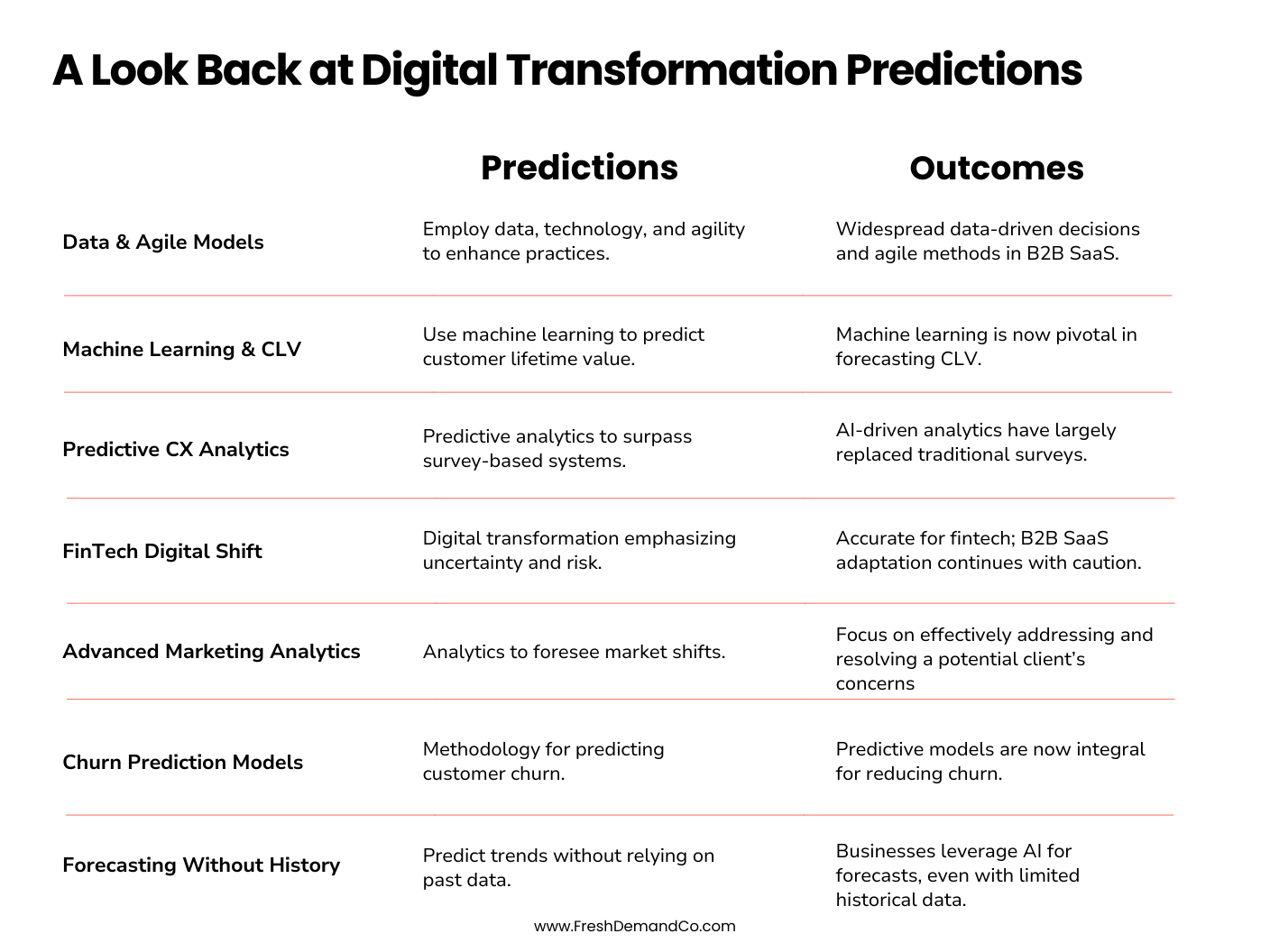
A Look Back at Digital Transformation Predictions and Outcomes
Past Predictions |
What Happened |
|---|---|
| 1. Leveraging data, technology, and agile operating models to repeat best practices. | The rise in data-driven decision-making in B2B SaaS has largely proven this to be accurate. Agile methodologies have become widely implemented, allowing faster and more efficient software delivery. |
| 2. The use of machine learning for predicting customer lifetime value (CLV). | This prediction has been accurate, with many B2B SaaS companies now using machine learning algorithms to forecast CLV, enhancing customer relationship management and increasing profitability. |
| 3. Predictive analytics replacing survey-based systems in customer experience. | Predictive analytics replacing survey-based systems in customer experience represents a significant shift in the industry. AI-driven predictive analytics have primarily taken over traditional survey systems, offering more accurate and timely insights.
|
| 4. Digital transformation of financial services, highlighting uncertainty and risk. | While true for fintech, this prediction was only partially accurate for the broader B2B SaaS industry. Many businesses have adapted to digital transformation, but uncertainty and risk remain a significant concern. |
| 5. Advanced marketing analytics predicting future outcomes. | Advanced analytics in marketing has been a significant trend in B2B SaaS, allowing businesses to anticipate market changes and make data-informed decisions. Therefore, this prediction was largely accurate. |
| 6. Development of a methodology for customer churn prediction. | This prediction has become a reality, with businesses using various predictive models to identify potential churn risks and take preventive action, significantly improving customer retention. |
| 7. Business forecasting in the absence of historical data. | This prediction was also accurate. Today, many businesses use predictive analytics and machine learning algorithms to forecast business trends, even when historical data is scarce or outdated. |
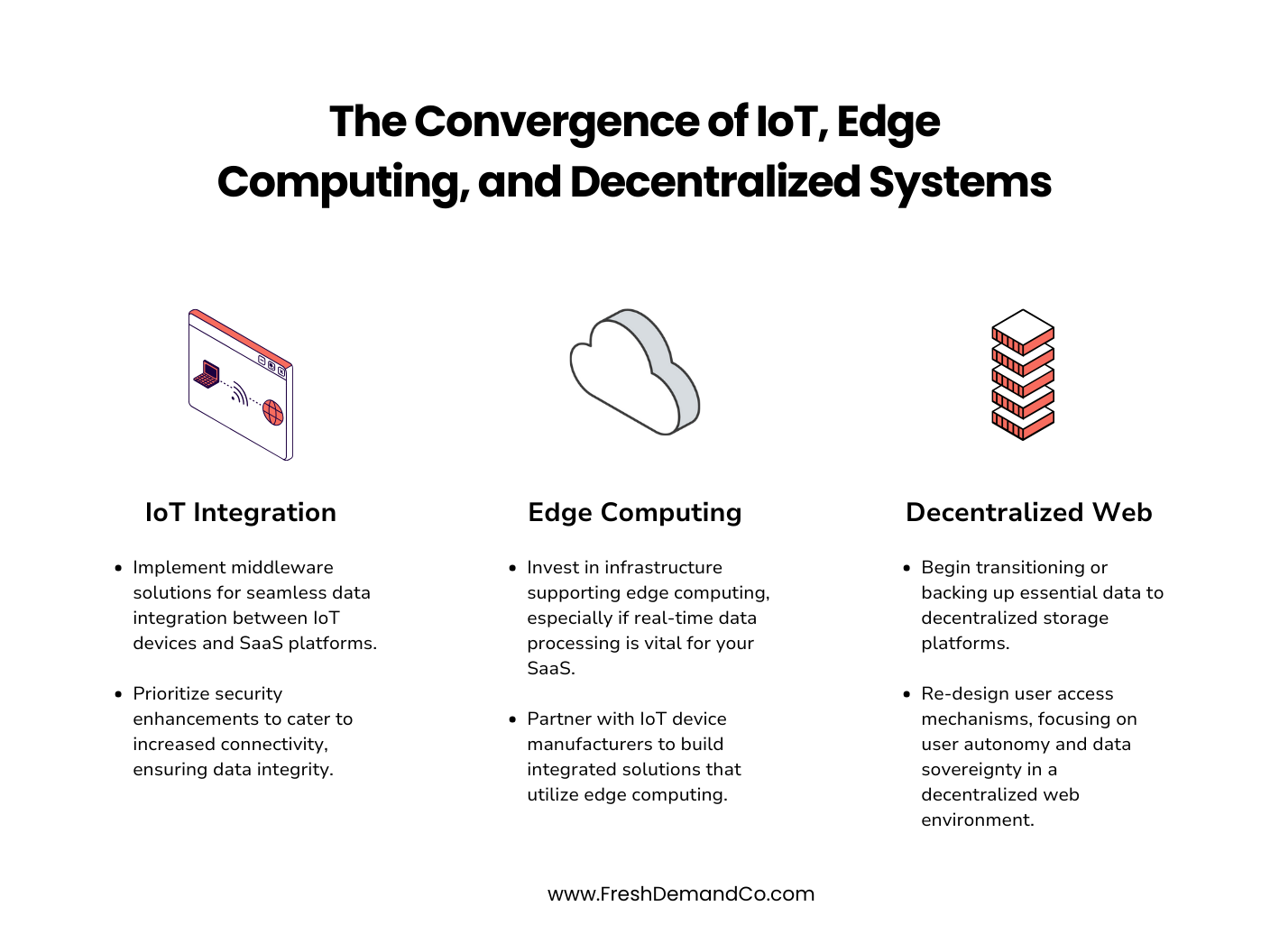
Emerging technologies hold transformative potential to fundamentally restructure the digital landscape and redefine every aspect of our lives.
Integration of IoT with SaaS Platforms
Integrating IoT and SaaS tech is becoming more seamless, allowing businesses to collect and centralize data from different sources more efficiently. Real-time data from IoT empowers companies to make informed decisions faster. Combining IoT data with SaaS analytics will enable businesses to offer increasingly personalized customer experiences. It will also drive operational improvements to reduce waste, optimize resource use, and significantly lower costs through predictive maintenance and energy management.
IoT data can also help companies identify and implement sustainability practices that reduce environmental footprint and improve corporate responsibility. As the future of business shifts towards more data-centric business models, IoT and SaaS integrations enable new services, products, and revenue streams based on these data insights. The increasing data volume from IoT devices will drive demand for cloud storage and advanced data processing capabilities to ensure scalability and flexibility.
The Role of Edge Computing in SaaS
Edge computing is a transformative approach that allows companies to process data closer to its source, reducing latency and enhancing operational efficiency. With the increasing adoption of IoT devices and the magnitude of data they produce, B2B SaaS providers are shifting towards incorporating edge computing capabilities for faster data processing, real-time analytics, and improved customer experiences. Edge computing offers several advantages to SaaS technology. Benefits of edge computing include reduced latency, improved efficiency, enhanced security, real-time analytics, scalability, better customer experience, energy efficiency, innovative business models, compliance, data sovereignty, and integration with advanced technologies.
AI and Machine Learning (ML) Advancements
AI and ML advancements drive digital transformation, empowering businesses to innovate, streamline operations, improve service quality, and gain a competitive edge.
One example is AI’s Natural Language Processing (NLP), which is transforming marketing strategies by providing personalized customer experiences. Conversational technologies like chatbots and virtual assistants are becoming more sophisticated, transforming customer service and engagement models across industries.
Companies can use AI and ML to create highly personalized digital experiences and improve processes faster and on a larger scale than ever before. This is especially important for companies that want to enhance the customer experience and transform their internal operations. By automating repetitive tasks with precision, AI tools reduce the need for human intervention. This automation helps optimize operational efficiency and frees employees to focus on more strategic and creative tasks that bring value to the organization.
Ethical Considerations in AI-driven SaaS Solutions
Integrating AI into SaaS platforms presents great potential but raises ethical concerns. As businesses rely more on AI-driven automation and insights, ensuring these processes are free from biases and maintaining transparency in AI decision-making becomes increasingly important. B2B SaaS teams must prioritize technological excellence and ethical integrity.
To navigate these challenges, establish clear ethical AI guidelines, transparency protocols, and continuous monitoring mechanisms to uphold accountability and fairness. By doing so, you can leverage the potential of AI and ML while setting a precedent for responsible and ethically sound technology integration.
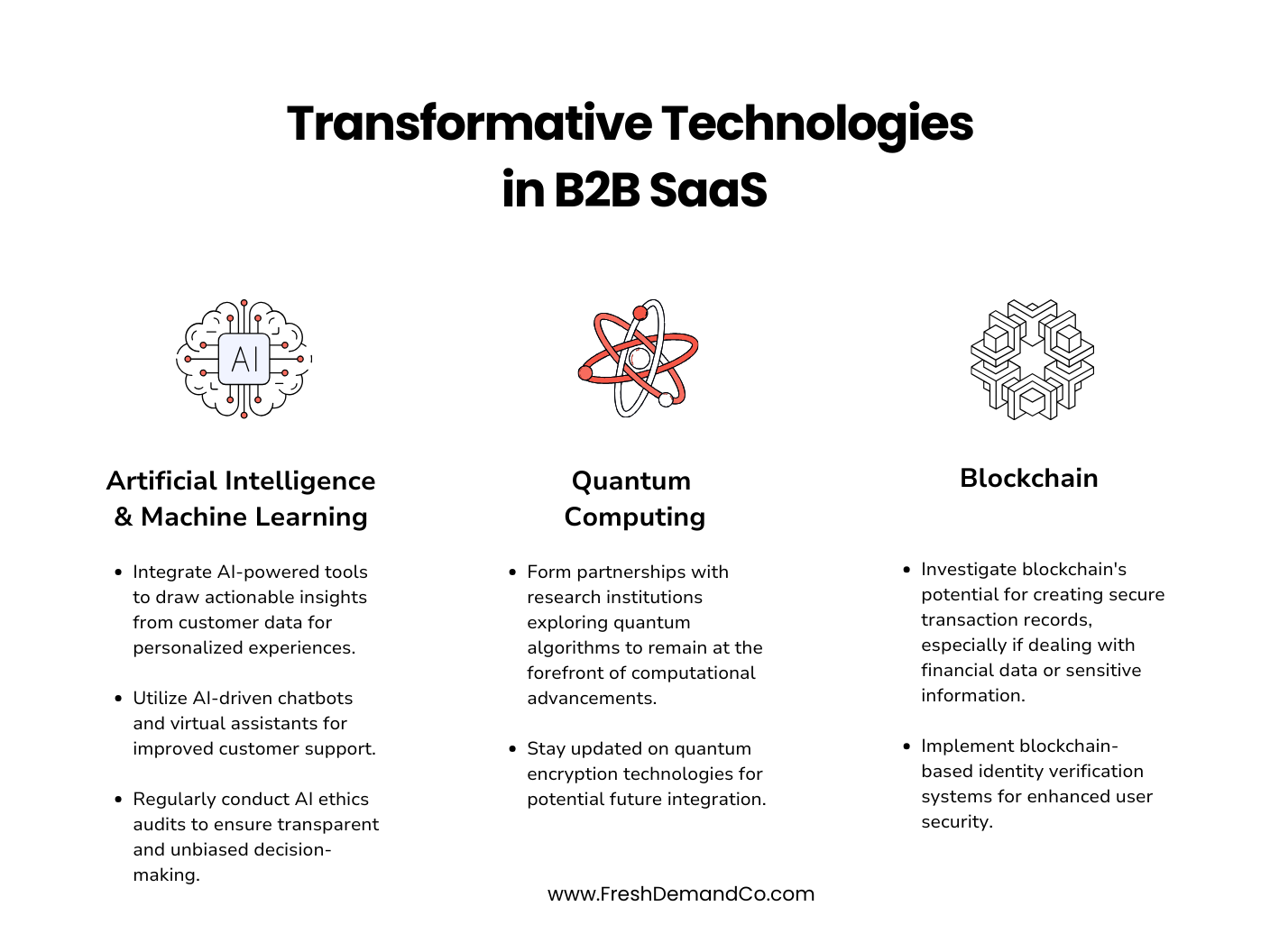
Quantum computing, which was once just a theoretical concept, has quickly become an influential force in the digital transformation of businesses. Unlike traditional single-bit computing, this technology operates with multiple qubits, introducing unparalleled complexity and computational capabilities. Quantum computing’s development has unlocked a realm of previously unimaginable possibilities poised to reshape the future of business.
By harnessing the power of quantum code, companies can tackle intricate tasks that have traditionally been difficult for conventional computers. This cutting-edge technology promises to expedite complex problem-solving and revolutionize data processing, accelerating big data analytics to unprecedented speeds. Its formidable encryption capabilities are set to revolutionize security measures while paving the way for widespread AI automation. As quantum computing matures, it can disrupt entire industries, rendering traditional business methods obsolete.
Blockchain beyond cryptocurrencies
Blockchain technology was initially associated with cryptocurrencies. However, it has rapidly evolved and is now transforming various industries. Sectors such as law enforcement, ride-sharing services, and financial institutions are exploring blockchain’s potential to establish secure digital records for their services.
This technology is revolutionary as it fundamentally alters how transactions are recorded. It introduces transparency within digital ledgers and can be applied to supply chain management, which is pivotal in mitigating fraud and curbing counterfeit products while providing robust business compliance solutions. Additionally, blockchain’s encryption abilities strengthen data protection, making it exceedingly difficult for unauthorized access or tampering, particularly in critical areas such as healthcare records.
Companies are also quickly adopting blockchain-based identity verification systems, which employ cryptographic signatures to enable secure access and authentication without compromising sensitive personal information.
SaaS and the Decentralized Web
The idea of a decentralized web, where data is spread out across a network instead of being locked up in centralized silos, is gaining popularity. This shift in approach has significant implications for SaaS providers, particularly in data storage, security, and access control. Decentralized SaaS platforms offer the potential for improved security measures, less downtime, and greater user control over their data.
SaaS providers must adapt as the decentralized web becomes more prevalent than traditional centralized systems. They must find ways to align their offerings with the principles of decentralization, reimagining data storage and access models to meet the needs of an increasingly security-conscious user base.
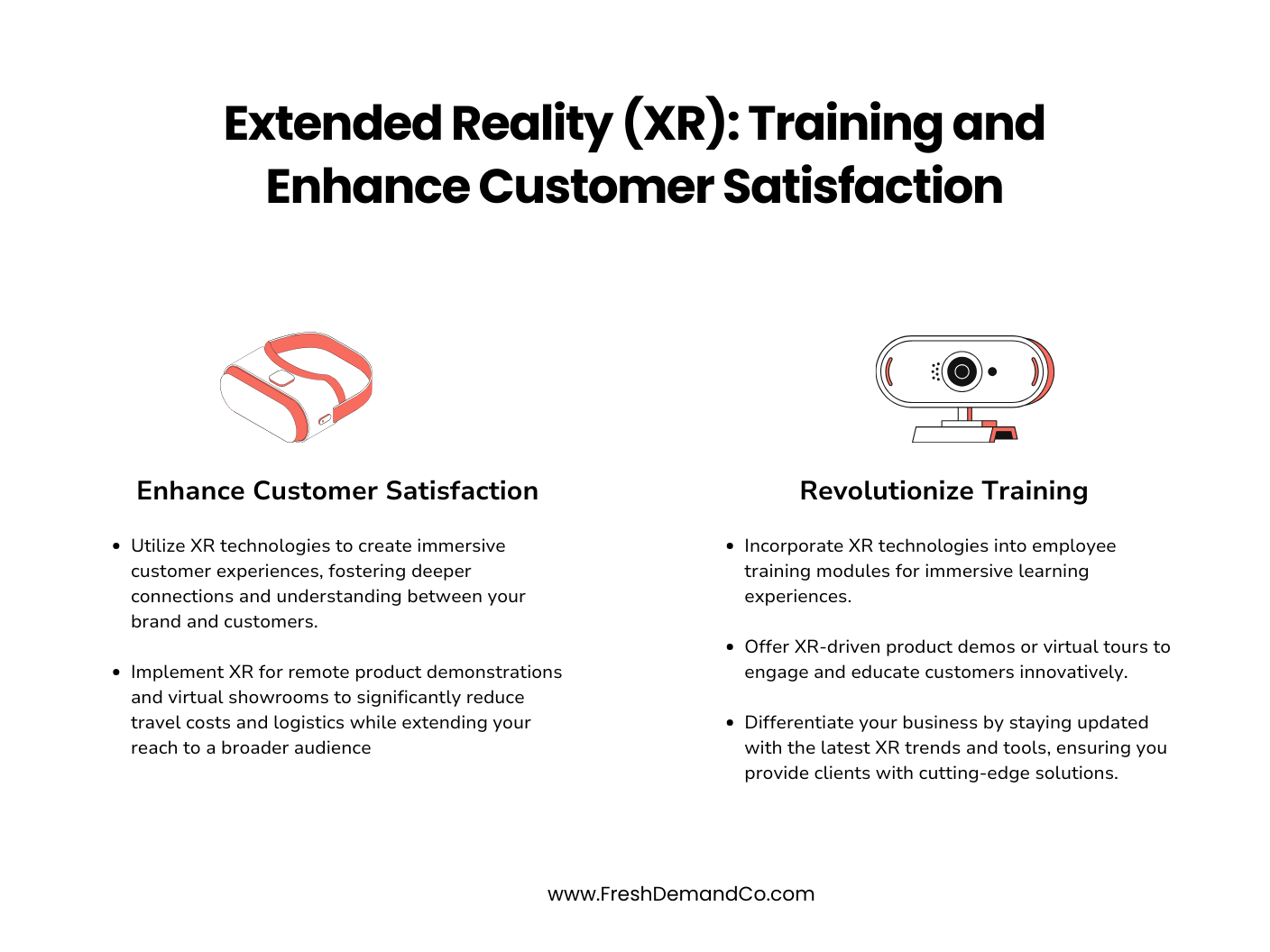
Extended Reality (XR), which encompasses virtual reality (VR), augmented reality (AR), and mixed reality (MR), is becoming increasingly popular across industries. In B2B SaaS, XR is evolving training and product development processes.
XR allows for the simulation of real-world scenarios for immersive employee training and enables the visualization of products pre-launch to streamline design processes and reduce costs. This shift towards immersive technology can enhance customer experiences and satisfaction through innovative solutions.
XR applications offer convenience and precision compared to traditional methods, driving their global adoption in various industries. Businesses are drawn to XR for its cost-saving potential and ability to differentiate them from competitors by providing innovative solutions. With XR gaining momentum, it promises to redefine how businesses operate and interact with customers in the coming years.
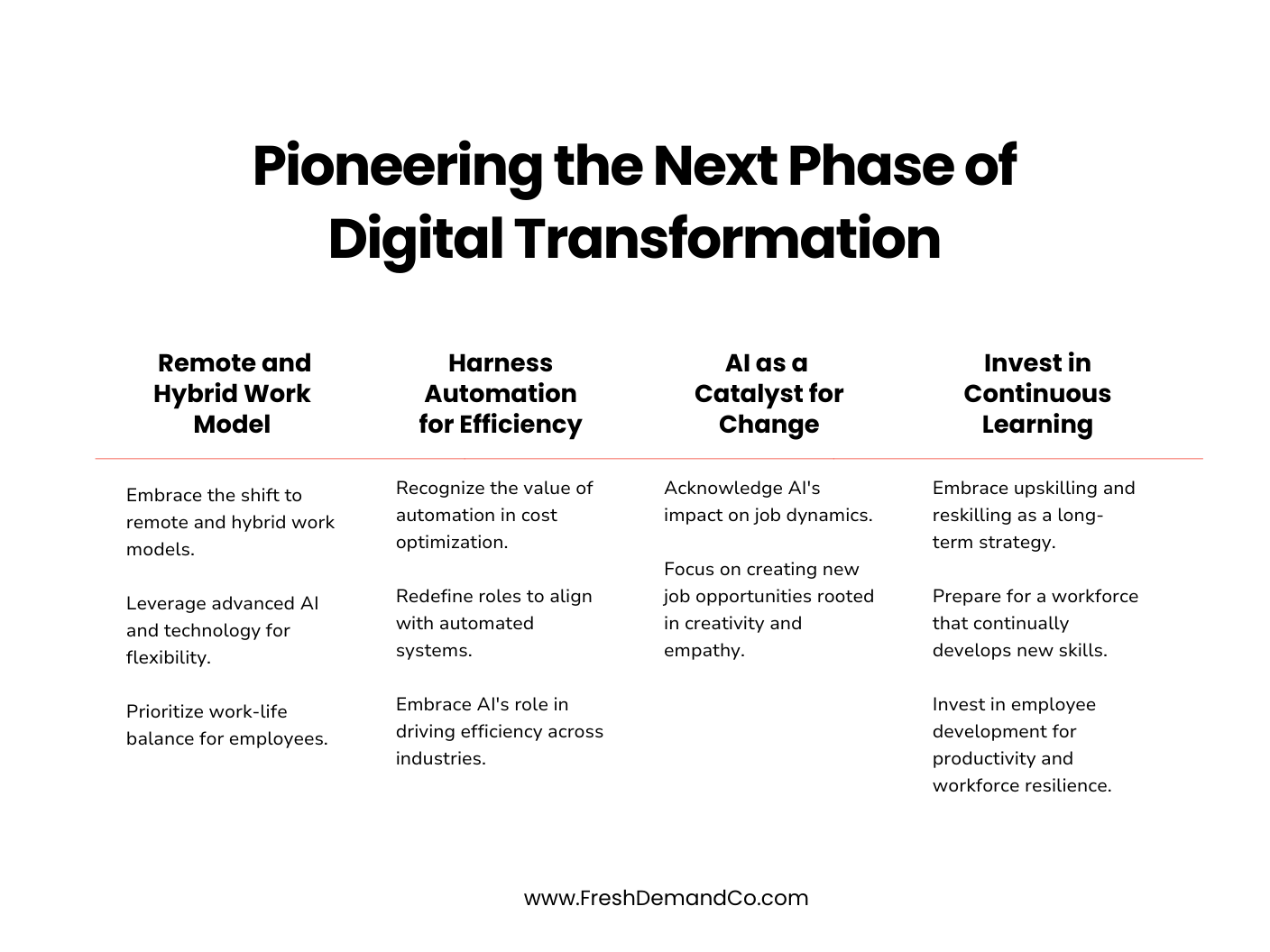
The way we work also continues to evolve since the widespread adoption of remote work. Despite movements to bring employees back into office environments, remote work changed everything, especially employee expectations for work-life balance. Amplified by AI, this transformation underscores the pressing need for upskilling and continuous learning.
The Influence of Automation on Employment Dynamics
Integrated automated systems are more common in daily business operations, as they help optimize costs and increase productivity. For example, algorithms and robotic process automation (RPA) perform complex tasks that were once only performed by skilled finance professionals. Similarly, AI-powered chatbots and logistical algorithms have become common across healthcare, logistics, and customer service.
This progression suggests that machines will complement human work and, in some cases, may replace repetitive, predictable, or hazardous jobs. This will reshape the job market and necessitate a reevaluation of workforce strategies. As automation takes over routine tasks, employees can engage in more complex, creative, and strategic endeavors. As such, there’s a growing imperative for current and future workers to acquire skills that machines cannot easily replicate, such as critical thinking, emotional intelligence, and creative problem-solving. Additionally, the socio-economic implications of automation call for policies that support workforce transitions and mitigate job displacement risks, ensuring that automation’s benefits are equitably distributed across society.
Upskilling and Continuous Learning
Companies are approaching employee development with a deep-seated change through reskilling and upskilling from within. A PwC CEO study indicates nearly 40% of the workforce will undergo extensive training of up to six months. Furthermore, 94% of corporate heads foresee their staff developing and integrating new skills.
Companies proactive in recognizing and adapting to this trend have witnessed notable advantages. According to the same PwC study, 93% of executives’ upskilling initiatives result in augmented productivity, more streamlined talent strategies, and a more resilient workforce.
Emerging Trends of Digital Transformation at Work
As we delve into the future of digital transformation in the workplace, the focus intensifies on how employees work, collaborate, and thrive in increasingly digital environments. The emerging trends below are reshaping and redefining workplace norms and expectations, paving the way for a more flexible, efficient, and connected workforce.
Redefining the Workplace
- Virtual and Augmented Reality Workspaces: VR and AR for virtual offices are rising, allowing employees to work in a 3D virtual environment that simulates physical presence and interaction beyond geographical limitations.
- Global Talent Pools and Fully Remote Teams: Technology enables organizations to tap into global talent pools, with digital platforms supporting fully remote teams. This shift towards a “work from anywhere” culture breaks down traditional geographic and operational barriers, which offers companies unprecedented flexibility and diversity.
Evolution in Collaboration and Communication
- AI-Powered Collaboration Tools: Emerging AI-powered tools are revolutionizing collaboration by automating routine tasks, providing real-time language translation, and facilitating more competent project management. These tools enhance productivity and break communication barriers.
- Decentralized Communication Platforms: Blockchain technology is beginning to influence how secure communication and data sharing occurs within organizations. Blockchain promises a new level of security and transparency in collaborative efforts.
Tools and Technologies for the Digital Workforce
- Smart Workspace Technologies: IoT devices transform physical workspaces into innovative environments that automatically adjust lighting, temperature, and even desk configurations to optimize worker comfort and productivity.
- Wearable Tech for Health and Wellness: Wearable technology is integrated into the workplace to monitor health metrics and environmental conditions, promoting wellness and safety by offering personalized insights and alerts.
Enhancing Employee Experience and Engagement
- Gamification and Microlearning for Skill Development: Leveraging gamification and microlearning platforms for professional development makes acquiring new skills engaging and accessible.
- Digital Mental Health Resources: With an increased focus on mental health, the digital transformation includes adopting platforms offering mental health support and resources, recognizing the importance of well-being in employee productivity and satisfaction.
Future of Work Practices
- Predictive Analytics in HR: Advanced analytics and AI predict employee trends, from turnover rates to engagement levels. Having deeper insights allows HR to address workplace challenges and proactively tailor interventions.
- Digital Twins for Workplace Optimization: The concept of digital twins extends into the workplace, enabling organizations to create virtual replicas of their work environments to optimize operations, space utilization, and employee interactions without physical constraints.
Security and Ethical Considerations
- Enhanced Cybersecurity Measures: As the workforce becomes more digital, cybersecurity measures are evolving with AI and machine learning to predict and mitigate threats more effectively.
- Ethical AI Use: The ethical use of AI in the workplace is becoming a focal point, ensuring that technology enhances the employee experience without infringing on privacy or autonomy and maintaining a balance between innovation and ethical responsibility.
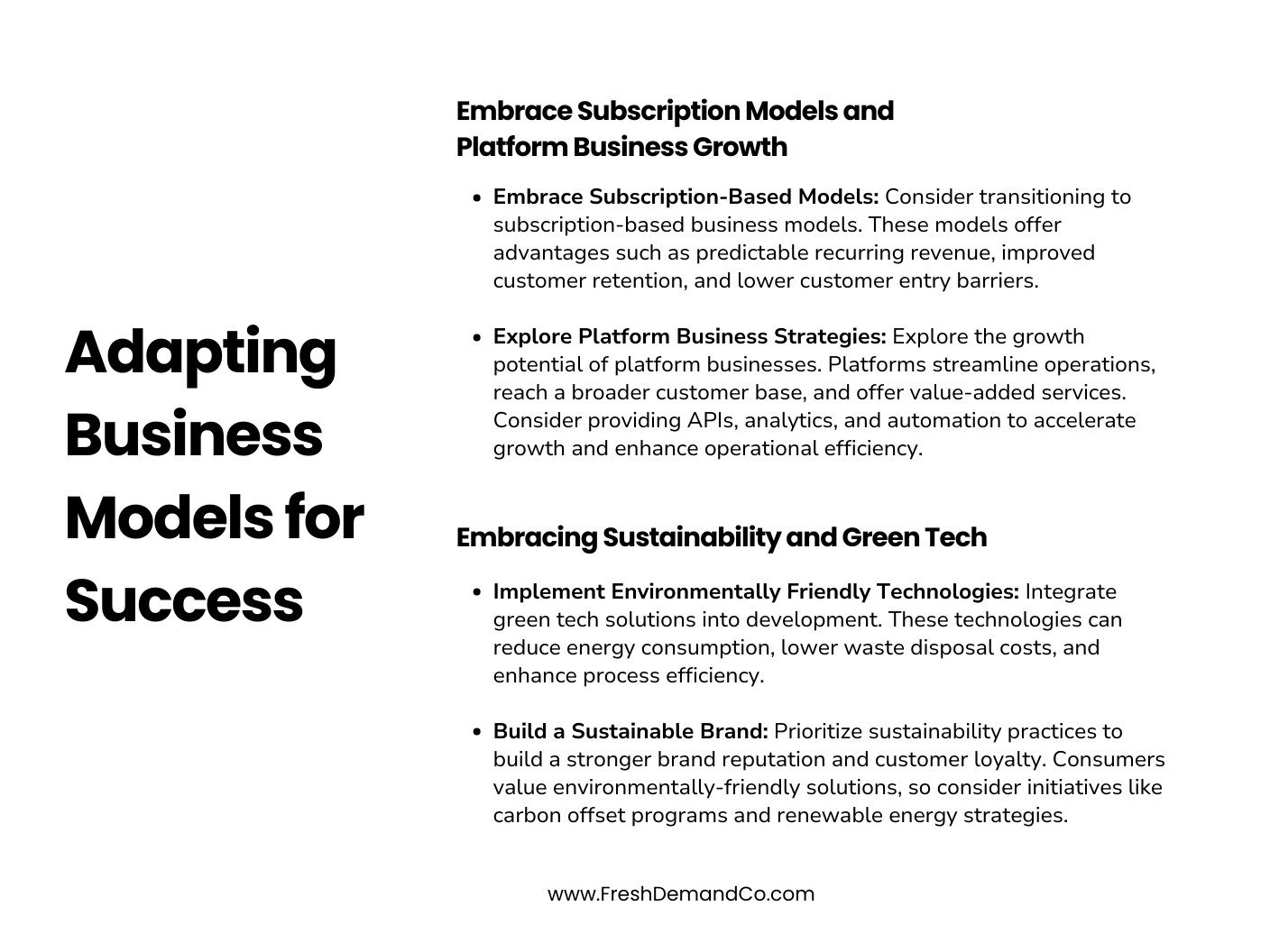
Businesses must remain agile and be prepared for continuing changes in customer expectations.
Subscription-based Business Models
Subscription models are becoming increasingly popular in B2B SaaS as they offer several advantages. Subscription models help businesses capture more predictable and recurring revenue while incentivizing customer success and improving buyer retention.
In addition, subscription models encourage customers to remain engaged with a business by removing up-front payments, making it easier for them to access the product or service offering.
Previously, one of the biggest challenges of subscription models was collecting payments, but advancements in infrastructure, including online payment services and billing solutions, have effectively addressed that challenge.
Examples include:
- AI-Enhanced Customization: Leveraging AI to analyze customer usage patterns and preferences, enabling businesses to offer personalized subscription plans. This approach improves customer satisfaction and optimizes revenue potential by matching offerings more closely to user needs.
- Dynamic Pricing Strategies: Utilizing machine learning algorithms to implement dynamic pricing within subscription models. This allows for pricing that adjusts based on demand.
The Growth of Platform Businesses
Platform businesses are helping to fuel digital transformation. By providing value-added services such as APIs, analytics, and automation, companies can drastically accelerate growth in market sectors that have not previously seen significant changes or unanticipated disruptions.
The emergence of platform businesses has enabled many companies to leverage their data to create innovative solutions that respond more quickly to customer needs and improve operational efficiency.
Examples include:
- Blockchain for Trust and Transparency: Incorporating blockchain technology to enhance security and trust in platform transactions. This is particularly relevant for platforms handling sensitive data or transactions.
- IoT and Platform Synergy: Integrating IoT capabilities to deliver real-time data and insights that can lead to the development of new services and improvements to existing offerings.
The Importance of Sustainability and Green Tech
Sustainability and green technology allow businesses to improve sustainably while reducing financial burdens. By utilizing environmentally friendly technologies, companies can lower operational costs associated with energy usage, reduce waste disposal fees, and improve the efficiency of their existing processes.
Digital transformation, such as integrating technologies like AI and ML with models like subscription services, can help companies promote clean energy shifts, advance zero-carbon offerings, foster reuse-based circular economies, and efficiently meet customer needs while managing costs.
Examples include:
- AI for Energy Efficiency: Implementing AI-driven solutions to optimize energy use in data centers is increasingly helpful for SaaS tech.
- Circular Economy Models: Adopting business models that promote the circular economy, such as platforms facilitating the sharing, leasing, or reusing of resources. This aligns with sustainability goals and opens new revenue streams and market opportunities.
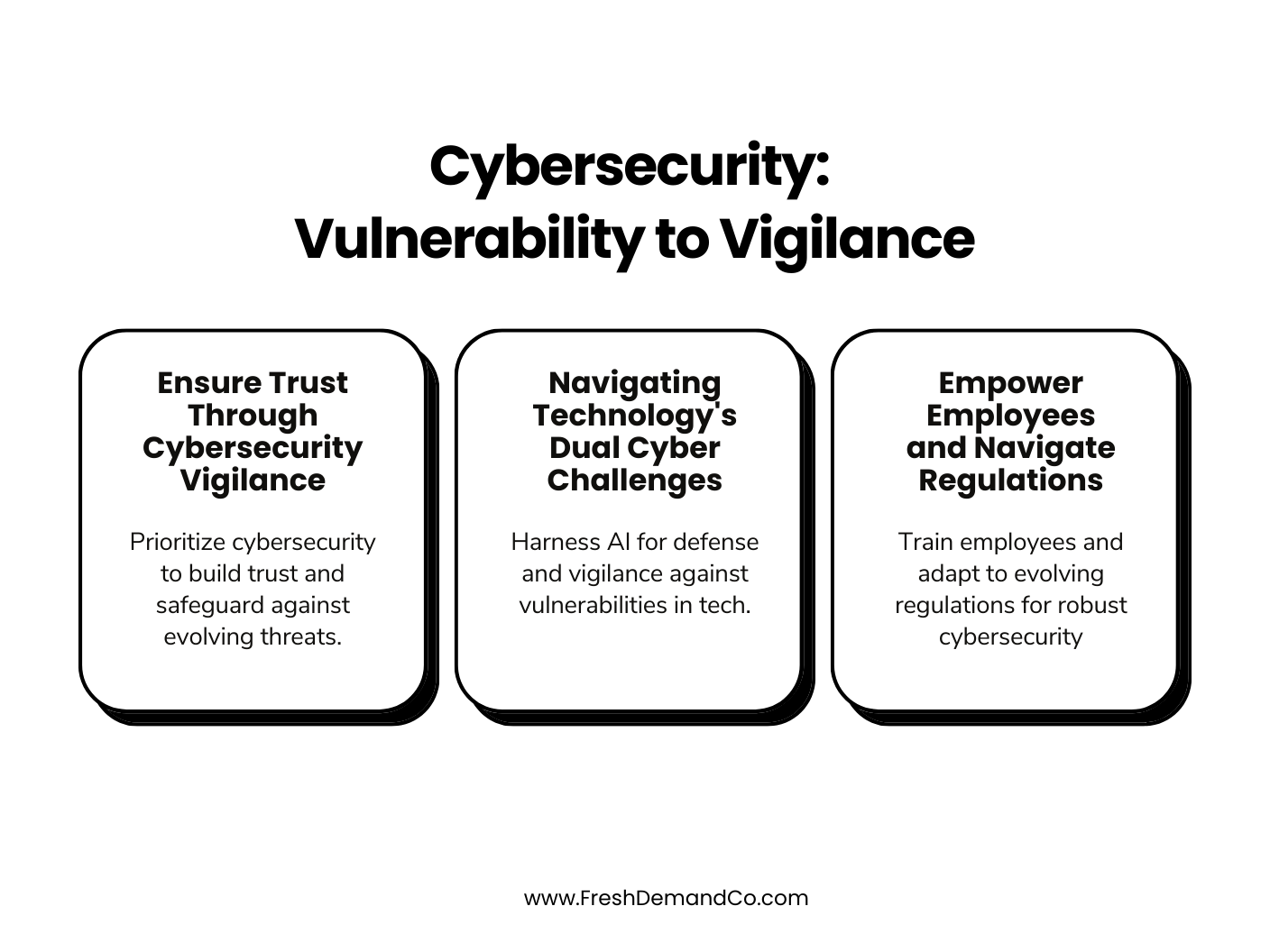
The digital age has significantly changed businesses’ operations and created vast networks with exciting possibilities and complex vulnerabilities.
While we enjoy the benefits of unprecedented connectivity and efficiency, we must remain vigilant against the ever-growing threat landscape. The rise of IoT devices, cloud platforms, and AI-driven solutions has catalyzed business growth. This widespread connectivity has also increased the potential for cyber attacks. Data security becomes even more critical as businesses adopt platform-based and subscription models. A single breach in a platform serving millions can have catastrophic reputational and financial implications. AI and machine learning are becoming the vanguard of proactive cybersecurity. They can detect anomalies by continuously analyzing data patterns, often signaling a breach before it wreaks havoc.
Anticipating a Dynamic Regulatory Landscape
Data breaches have forced cybersecurity into the regulatory spotlight. New regulations also mandate businesses to fortify against threats and stay compliant with shifting data protection laws across regions and industries. Staying ahead of these changes is crucial to demonstrating a commitment to best practices for data protection and privacy.
Employees: The Cornerstone of Cybersecurity
Despite living in a technological era, humans remain the most significant asset and vulnerability. Employee training is crucial to prevent a simple mistake from exposing vast networks. A parallel evolution in employee cybersecurity awareness is indispensable, and investing in ongoing cybersecurity training and awareness for all staff members is non-negotiable. A well-informed workforce is a company’s first line of defense to recognize and respond to potential threats effectively.

As digital transformation reshapes industries, B2B clients are redefining their expectations, prioritizing seamless, personalized interactions. This evolution is an enduring trend that will drive a fundamental shift in future business strategies.
Redefining Customer Support for the Modern User
The rise of advanced SaaS platforms has ushered in heightened user expectations for customer support. Traditional models are evolving into sophisticated, AI-driven systems that offer:
Virtual Assistants and Real-time Diagnostics
AI-powered virtual assistants can diagnose problems in real-time, provide instant solutions, and elevate the user experience beyond conventional support boundaries.
Proactive Support Systems
Leveraging predictive analytics to foresee and address potential issues before they impact the user, thereby minimizing disruptions and fostering a sense of reliability and care.
Personalized Training Modules
Utilizing user behavior analytics to develop custom training and support materials to maximize the value to platform users. These innovations promise to transform customer support from a reactive service to an integral part of the user experience.
Consumer Expectations in a Digital Age
Today’s consumers, empowered by digital capabilities, demand immediacy, efficiency, and personalization in their business interactions. To thrive in this digital landscape, businesses must:
Ensure Instantaneous Engagement
Adopt a multi-channel strategy that meets users where they are, whether social media, email, or live chat. Customers expect swift and practical solutions.
Offer Omnichannel Accessibility
Create cohesive experiences across various platforms, allowing users to move seamlessly between devices and channels without losing context or history.
Deliver Bespoke Experiences
Implement advanced data analytics and AI to achieve deep personalization that resonates on an individual level by anticipating needs and preferences.
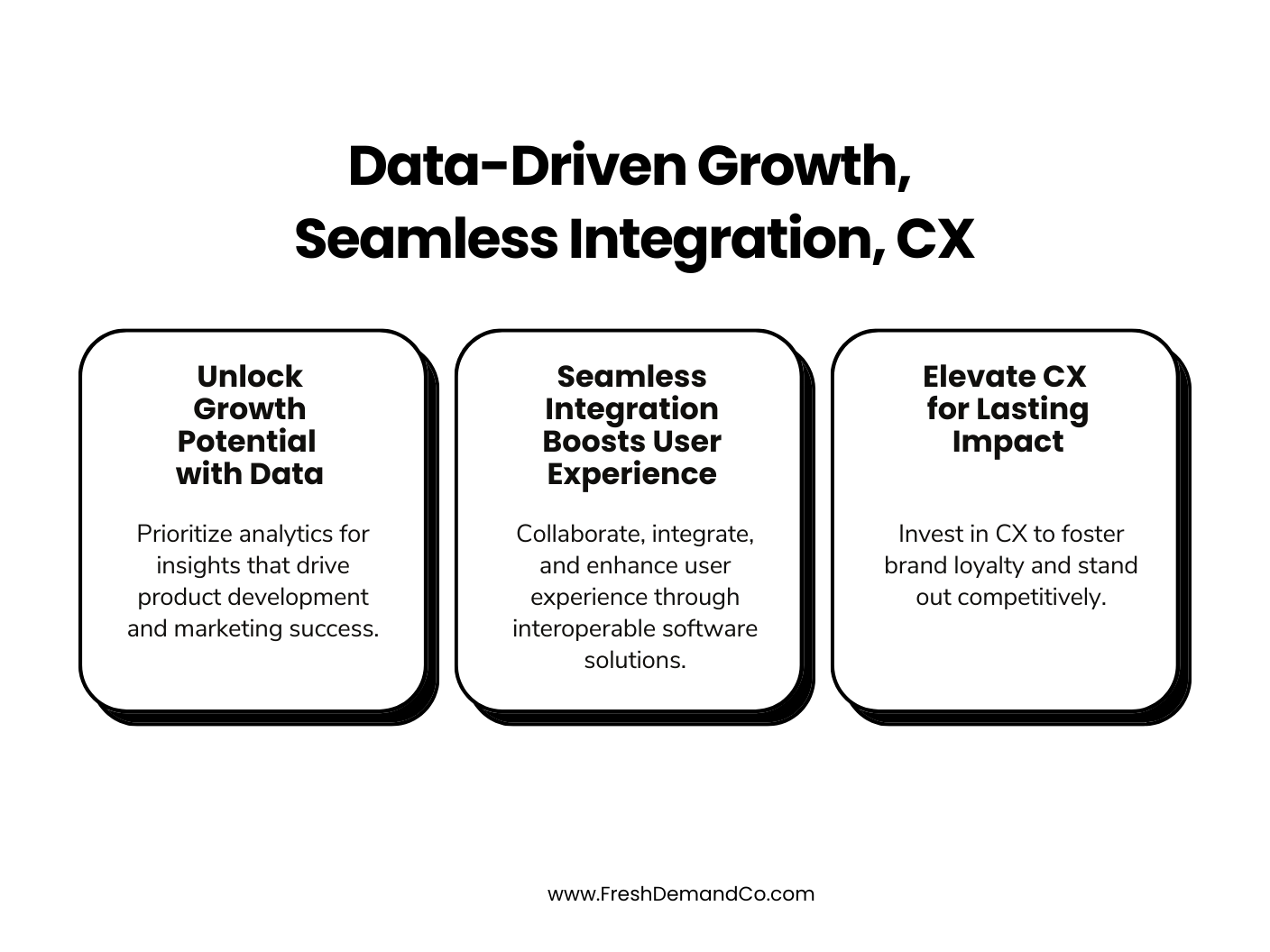
Innovation, customer-centric strategies, adaptability, and a keen understanding of emerging trends will determine the future landscape for B2B SaaS companies.
Product Development: Innovating with Data and AI
Utilize Advanced Analytics
Embed data analytics and AI into product development to anticipate market needs and tailor solutions that enhance product relevance and user satisfaction.
Embrace AI for Automation
Integrate AI to automate routine tasks within the product, freeing up resources for innovation and enabling scalable solutions.
Sales and Marketing: Harnessing Ecosystems and Personalization
Expand Ecosystem Integrations
Develop strategies for your products to seamlessly integrate with broader ecosystems to extend your value proposition through compatibility and ease of use.
Leverage Data for Personalized Marketing
Use insights from data analytics to craft personalized marketing strategies that target potential clients with precision and increase conversion rates.
Customer Experience: Elevating Interactions
Optimize UI/UX for Engagement
Continually refine the user interface and experience to meet evolving user expectations, focusing on simplicity, intuitiveness, and personalization.
Implement Proactive Support
Deploy AI-driven tools for proactive customer support, anticipating and resolving issues before they affect customer satisfaction.
Operations: Driving Efficiency through Technology
Adopt Edge Computing
Incorporate edge computing to process data more efficiently, especially for real-time analytics services.
Sustainability in Operations
Integrate sustainable practices in operational processes, such as using green hosting for cloud services. Reduce your environmental impact and align with global sustainability goals.
Human Resources: Fostering a Culture of Continuous Learning
Upskilling for the Digital Age
Implement continuous learning programs on digital skills aligned to emerging technologies and methodologies.
Promoting Adaptability and Innovation
Cultivate a company culture that values adaptability and embraces change.
Technology and Infrastructure: Preparing for Decentralization and the Metaverse
Explore Decentralization with Blockchain
Investigate blockchain for secure, decentralized data management to enhance security and trust in your solutions.
Metaverse and XR for Collaboration
Experiment with metaverse and extended reality platforms to offer immersive collaboration and training tools that open new avenues for remote interaction and product demonstration.